
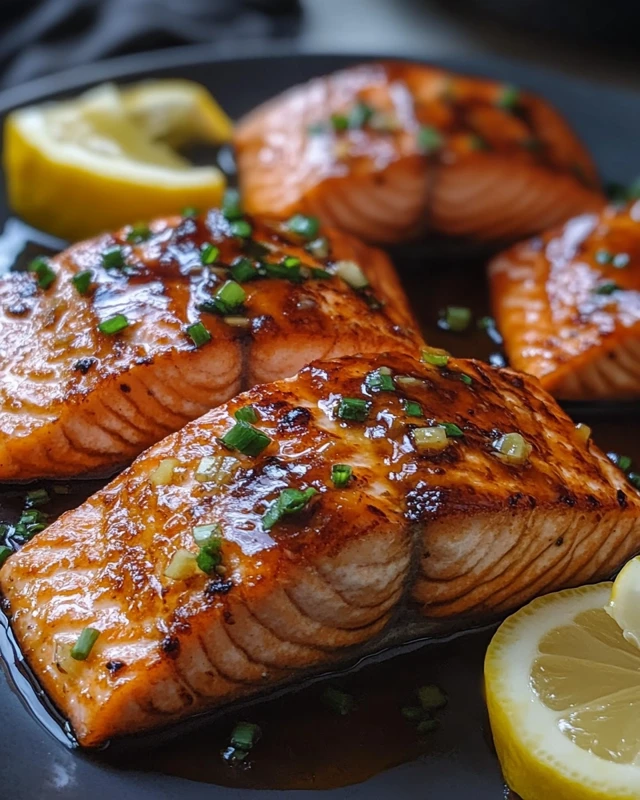
“Sweet, spicy, and perfectly glistening—this sweet chili salmon is a weeknight hero that feels fancy but comes together in no time.”
Music Recommendation:
Play some upbeat acoustic or light indie folk—think Vance Joy, Jack Johnson, or Iron & Wine—to keep the kitchen lively and cozy while you cook.
Sweet chili Salmon topped with pineapple salsa paired with grilled asparagus and seasoned quinoa. This is a simple recipe that is full of flavor and stunning to the eye when plated right. This dish is light, colorful, flavorful, and healthy.
Ingredients:
Salmon – 1 to 2 Salmon fillets skin on or off
Sweet thai chili sauce – 1/2 cup
Bundle of Asparagus – 10-12 pieces
Quinoa – 1 to 2 cups
Pineapple – 1 or pre cut
Jalapeno- 1 pepper
Red Onion – 1 medium size
Cilantro – 1 bundle
Lime Juice – 1 tsp
Lemon juice – 1 tsp
Salt and pepper – 1 tsp salt, 1/2 tsp pepper
Oil – 2 – 4 tsp
Stock – 2-4 cups fish or chicken stock
Optional: Tomato – 1 medium size
seasonings of your choice – for quinoa
Preparation:
First, we will start with the salmon. You will want to open from package then season with salt and pepper. If you bought skin on salmon you will want to gently score the skin side. This mean cutting the skin but not the meat. It will allow the skin to get crispy and help the salmon cook evenly. Then season with salt and pepper. Setting aside to let the flavors marinate the fish.
Next is trimming the asparagus. Do not cut them, what you will do is just grab each end and bend them till they break. Reason being the vegetable will naturally break where the fibrous part ends and the more edible part begin. The pieces will be uneven and that’s okay. Place asparagus in a plastic bag drizzle with olive oil, lemon juice and season with salt and pepper. Set aside to marinate.
Next is making the salsa. You want to small dice (cut into small squares) pineapple. Small dice the red onion and jalapeno. If you added tomato, you would do the same here as well. Combine all together in a bowl adding lime juice. Next rough chop your cilantro adding it as well and mix everything together. Place in fridge allowing it to marinate while you cook.
Cooking Instruction
Quinoa
Start by measuring 1-2 cups of quinoa. Add 2-4 cups of water or stock to a saucepan, maintaining a 1:2 quinoa-to-liquid ratio (for example, 1 cup quinoa to 2 cups water). If you don’t have measuring cups, use the finger method: pour quinoa into the pan until it reaches your first knuckle, then add liquid up to your second knuckle—this also works for rice. Using stock instead of water enhances flavor and depth.
If using the finger method, place the pot on the stove, season the quinoa with salt and pepper, and heat on high until the liquid boils. Then reduce to low or simmer, cover, and let it steam for about 20 minutes.
If you measured the quinoa and liquid, add the water or stock along with salt and pepper to the pot. Bring it to a boil, add the quinoa, then reduce heat to simmer or low, cover, and cook for 20 minutes.
When close to 20 minutes, uncover and test the quinoa to ensure it’s fully cooked. If needed, cover and cook a few more minutes. Once done, fluff with a fork and adjust seasoning to taste.
Salmon
Heat a pan over medium heat and drizzle with oil. While heating, preheat your oven to 350°F (175°C). Once the pan and oil are hot, gently place the salmon skin-side down (or flat side down if skinless). Sear for about 2 minutes, then flip and sear the other side for 2 minutes.
Next, brush the salmon with sweet chili sauce and transfer the pan to the oven for about 2 minutes. Use an oven mitt when handling the pan to avoid burns. This step caramelizes the sauce, sealing in the flavor.
Asparagus
While the salmon rests, heat a sauté pan over medium heat. Add the asparagus and cook for 4-5 minutes, turning occasionally to cook evenly.
If grilling, preheat the grill, place the asparagus on it, and cook each side for 1-2 minutes before removing.
Finishing Touches
Remove the salmon from the oven. If you prefer it not medium-rare, you’ll know it’s fully cooked when white juices appear—this indicates it’s close to being dry, so stop cooking at this point. Transfer the salmon to a wire rack, plate, or cutting board and let it rest for 5-10 minutes. This allows juices to redistribute, keeping the salmon flavorful and moist.
For medium-rare salmon, cook to an internal temperature of 130-135°F (54-57°C), which yields a crispy exterior and a light pink interior. For no pink, cook between 140-150°F (60-65°C). If you enjoy sushi or raw fish, medium-rare is ideal.
If you enjoy this recipe, be sure to explore our other creations in Kitchen Confidential. We add new recipes daily and include some of your favorites, carefully adapted to our taste while referencing the original versions. Discover the endless possibilities that come from one mind inspiring another.
Leave a Reply